Can Babies Have Nightmares?
Oct 22, 2026
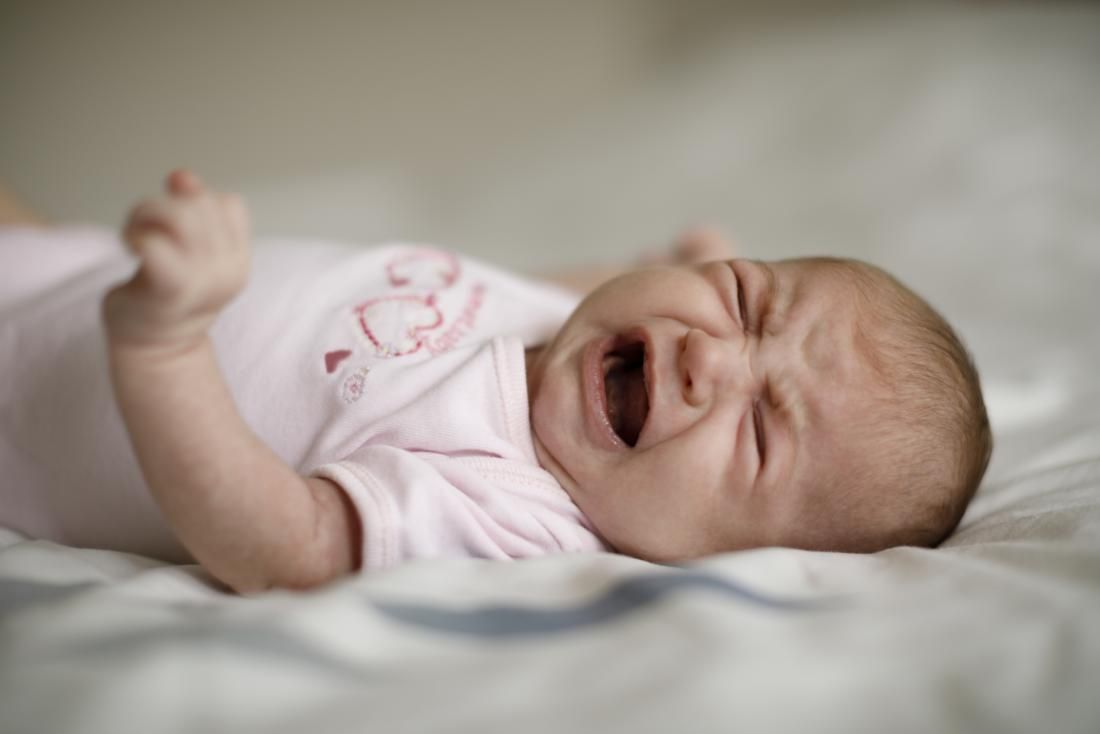
You put your baby to sleep, and everything seems peaceful. Then, suddenly, you hear a cry, a whimper, or a little gasp. Your baby may move around, make unusual facial expressions, or wake up crying.
Naturally, you wonder: Could my baby be having a nightmare?
It's a common concern among parents. However, the answer isn't as straightforward as you might think.
According to the American Academy of Pediatrics (AAP), children may begin having nightmares as early as six months. However, experts at Cleveland Clinic explain that researchers do not know for certain whether babies experience nightmares, because infants cannot describe their dreams or fears.
So, while nightmares may be possible as babies develop, crying, twitching, or waking suddenly does not necessarily mean your baby has had a bad dream.
Let's look at what might be happening and how you can help your little one settle.
Why Does My Baby Cry or Whimper in Their Sleep?
Babies experience different stages of sleep, and their sleep can look surprisingly active. You might notice little smiles, twitching, sucking movements, grunting, or brief cries.
According to the AAP's guide to newborn sleep stages, babies experience active sleep, during which they may twitch their arms and legs or move their eyes beneath their closed eyelids.
Here are three possible reasons your baby may seem unsettled during sleep.
1. Active Sleep
During active sleep, babies may move their arms and legs, make noises, change their facial expressions, or briefly open their eyes.
These behaviours can look like distress, even when your baby is still asleep. They are often a normal part of infant sleep rather than a sign of a nightmare.
What you can do: If your baby is making brief noises or movements but appears comfortable, pause and observe before intervening. If they fully wake or seem distressed, check whether they need your attention.
2. Hunger or Physical Discomfort
Sometimes, the explanation is simpler than a nightmare.
Your baby may wake because they are hungry, need a nappy change, feel uncomfortable, or are unwell. Younger babies also wake frequently because their sleep cycles and feeding needs are still developing.
What you can do: Check whether your baby needs a feed, a nappy change, or help getting comfortable. Respond to their cues and follow their usual feeding routine.
3. Waking Between Sleep Cycles
Babies naturally move between different stages of sleep throughout the night. Some transitions are quiet, while others involve stirring, brief crying, or waking fully.
Frequent waking can be influenced by your baby's age, developmental stage, feeding needs, and sleep routine.
What you can do: Keep bedtime predictable and consider whether your baby's naps and bedtime are appropriate for their age. If frequent waking continues to be difficult, look at the overall sleep pattern rather than assuming nightmares are the cause.
At What Age Do Babies Start Having Nightmares?
There is no exact age at which every child starts having nightmares.
The American Academy of Pediatrics notes that nightmares may begin as early as six months. However, the Pediatric Sleep Council's perspective, discussed by Cleveland Clinic, highlights that researchers are uncertain whether very young babies experience nightmares in the way older children do.
As children grow, their imagination, memory, language, and understanding of the world develop. Older children can also begin describing frightening dreams, making nightmares easier to identify.
For babies, parents usually have to rely on observable behaviour rather than knowing what their child experienced during sleep.
The important thing to remember is that a baby waking up crying is not proof of a nightmare.
Nightmares vs. Night Terrors: What's the Difference?
Nightmares and night terrors are different sleep experiences, although they can sometimes look similar to parents.
Nightmares are frightening dreams that may cause a child to wake up fully and seek comfort. Night terrors are episodes in which a child may scream, appear frightened, or move around while remaining partly asleep. Night terrors are more common in toddlers and young children than in young babies. these experiences differ in when they typically occur and how children respond.
Nightmares
-
Often occur during the second half of the night.
-
May cause a child to wake fully and feel frightened or upset.
-
Older children may remember the dream and describe it.
-
Comfort and reassurance can help the child settle.
Night Terrors
-
Often occur during the earlier part of the night.
-
May involve screaming, sweating, or agitated movements.
-
The child may not recognise a parent or respond normally during the episode.
-
The child usually has little or no memory of the episode afterward.
Night terrors can be frightening to witness, but they are generally a childhood sleep phenomenon. They are not the same as nightmares.
If your baby has repeated episodes of intense distress, unusual movements, or symptoms that concern you, speak with your pediatrician rather than assuming the episodes are night terrors.
How Can You Comfort a Baby Who Wakes Up Crying?
If your baby wakes up upset, you don't need to work out immediately whether they were dreaming.
Focus on helping them feel comfortable and checking that nothing else is wrong.
1. Respond Calmly
Approach your baby calmly and check how they are doing. If they are fully awake and crying, offer comfort in a way that suits their age and needs.
Your calm presence can help reassure your baby as they settle.
2. Check for Basic Needs
Consider whether your baby may be hungry, uncomfortable, unwell, or in need of a nappy change.
If the crying is unusual for your baby or accompanied by signs of illness or pain, seek appropriate medical advice.
3. Keep the Nighttime Environment Calm
Keep the lights low and interactions quiet when helping your baby settle overnight. This helps maintain the distinction between daytime and nighttime.
4. Maintain a Predictable Bedtime Routine
A familiar bedtime routine can help your baby recognise that it is time to sleep.
Depending on your baby's age, this might include a feed, a nappy change, a short cuddle, a lullaby, or another calming activity.
Keep the routine simple and consistent rather than introducing several changes at once.
5. Follow Safe Sleep Practices
Always place your baby on their back to sleep on a firm, flat sleep surface designed for infants. Keep pillows, loose blankets, toys, and other soft objects out of the sleep space.
If your baby needs comfort, respond to their needs and return them to their safe sleep space when appropriate.
When Should You Speak to a Pediatrician?
Occasional crying, grunting, or movement during sleep is common in babies. However, it is important not to assume that every episode is simply a sleep disturbance.
Speak with your pediatrician if your baby has frequent or unusually intense episodes of distress, seems to be in pain, or has persistent sleep difficulties that affect their well-being.
Seek urgent medical care if your baby has difficulty breathing, turns blue or grey, is unusually difficult to wake, or has seizure-like movements.
You know your baby's usual behaviour best. If something seems different or concerning, it is always reasonable to seek medical advice.
The Bottom Line: Can Babies Really Have Nightmares?
We cannot say for certain what a young baby experiences while dreaming. Although the American Academy of Pediatrics notes that nightmares may begin as early as six months, experts also recognise that it is difficult to establish what infants experience because they cannot describe their dreams.
Crying, twitching, grunting, or waking suddenly does not necessarily mean your baby has had a bad dream. These behaviours may be part of normal active sleep or may indicate that your baby needs a feed, comfort, or help settling.
Start by observing your baby's behaviour, checking their needs, and maintaining a predictable bedtime routine. As your baby grows, their sleep patterns and responses will change, too.
And remember, you do not have to identify the exact reason behind every night waking to respond with care.
Need Help Understanding Your Baby's Sleep?
If your baby's sleep has become unpredictable or you're struggling with frequent night wakings, it can help to look at their sleep patterns as a whole.
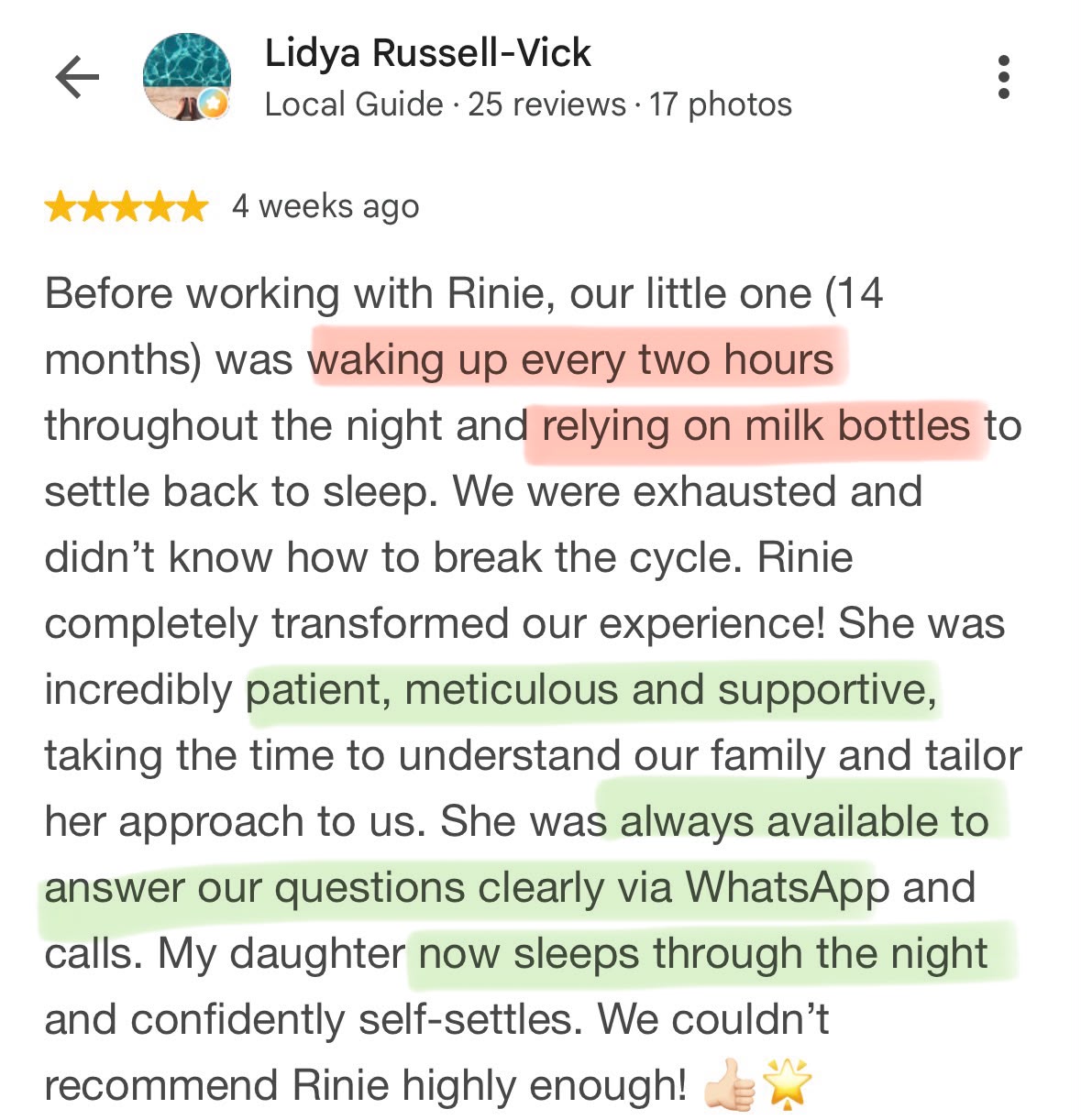
Rinie Gupta's Personalized Baby Sleep Training Program offers individualised guidance to help families understand their baby's sleep needs and work towards a more manageable routine.
Every baby is different, and a personalised approach can help you find a plan that works for your child and your family.
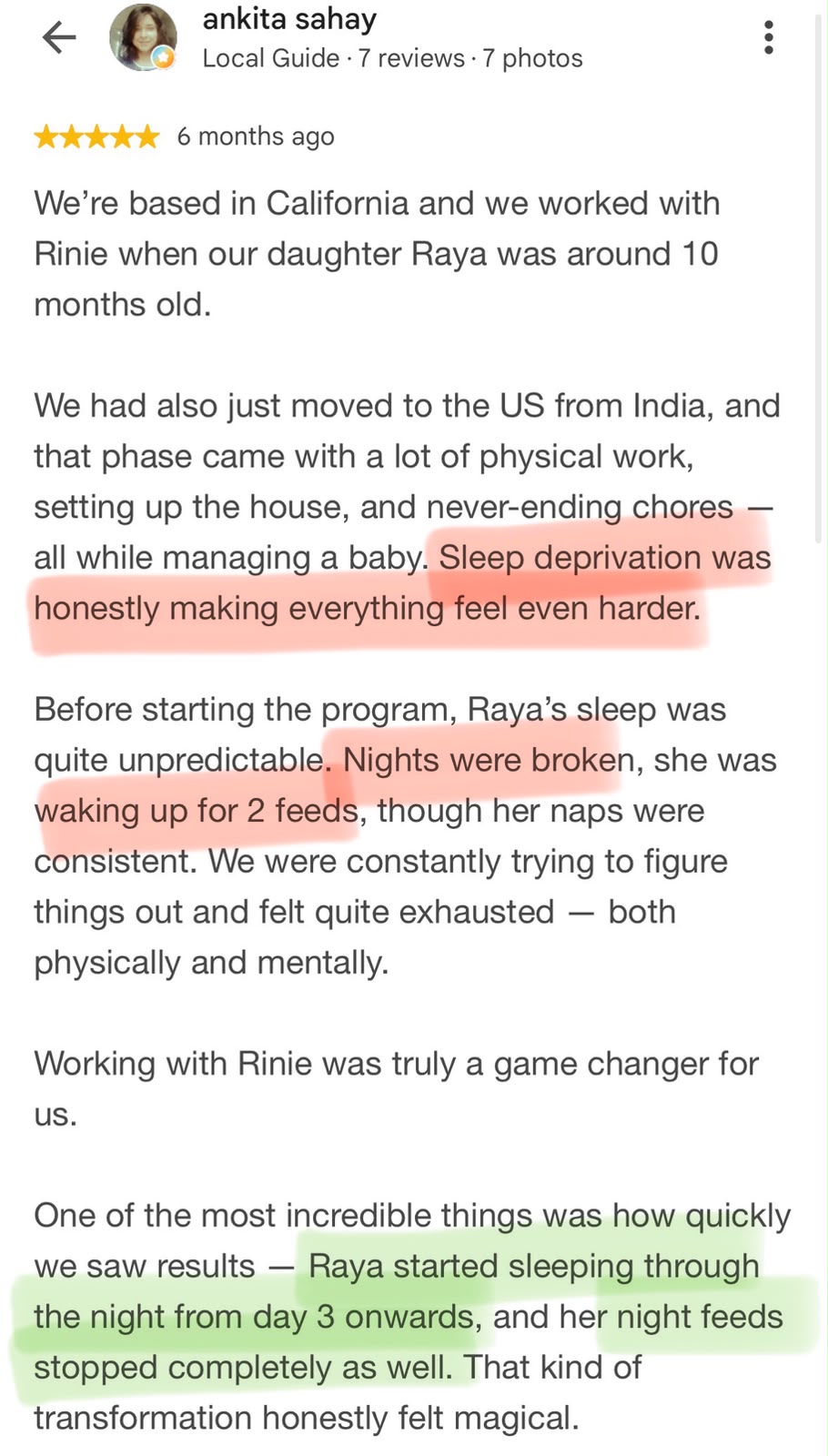
Look at our reviews
References
-
American Academy of Pediatrics (HealthyChildren.org). Nightmares, Night Terrors & Sleepwalking in Children: How Parents Can Help. Information on nightmares, night terrors, and how parents can respond.
-
American Academy of Pediatrics (HealthyChildren.org). Stages of Newborn Sleep. Information on active sleep and normal newborn sleep movements.
-
Cleveland Clinic. When Do Kids Start Having Nightmares?. Discussion of what researchers know—and what remains uncertain—about nightmares in babies and young children.
-
Seattle Children's Hospital. Newborn Reflexes and Behavior. Guidance on normal sleep movements and sounds in babies.
Written By:


