Why Does My Baby Grunt in Their Sleep?
Oct 09, 2026
You finally get your baby to sleep, and just when you think you can rest, you hear little grunts, squeaks, snorts, and groans coming from the crib. Your baby seems to be asleep, but the noises can make you wonder whether they are uncomfortable, struggling to breathe, or about to wake up.
If this sounds familiar, you are not alone. Babies, especially newborns, can be surprisingly noisy sleepers. While adults tend to sleep relatively quietly, babies often make a range of sounds as they move between sleep stages, digest milk, and adjust to life outside the womb.
In many cases, occasional grunting during sleep is a normal part of early development. However, it is important to distinguish ordinary sleep noises from grunting that may signal a breathing problem.
Understanding the possible reasons behind these sounds can help you respond calmly while recognising when your baby needs medical attention.
Why Do Babies Grunt While Sleeping?
1. Newborns Have Active Sleep
One of the most common reasons babies make noises in their sleep is a stage called active sleep. This is broadly similar to REM sleep, when the brain is active and babies may move their eyes, twitch their limbs, change their facial expressions, or make little sounds.
During active sleep, your baby may grunt, whimper, briefly fuss, or move around without actually waking up. Their breathing may also sound irregular compared with an adult's breathing.
This is particularly common in newborns, whose sleep patterns are still developing. A baby who grunts and wriggles with their eyes closed may still be asleep.
If your baby is breathing comfortably, has a normal colour, and otherwise appears well, you may not need to intervene every time you hear a small noise. Pausing briefly to observe can help you avoid waking a sleeping baby unnecessarily.
2. Your Baby's Digestive System Is Still Developing
Babies are still learning to coordinate the muscles involved in passing gas and having bowel movements. As their digestive systems mature, they may grunt, squirm, draw up their legs, or make straining sounds.
You may notice these noises after a feed or when your baby is trying to pass gas or stool. The sounds can seem dramatic, even when your baby is not experiencing significant discomfort.
Some young babies also strain, grunt, and turn red before passing a soft stool. This can sometimes be due to infant dyschezia, a temporary difficulty coordinating the muscles needed for a bowel movement.
However, persistent distress, a swollen abdomen, repeated vomiting, blood in the stool, or hard stools should not automatically be attributed to normal digestion. Speak with your pediatrician if these symptoms occur.
3. Your Baby May Be Passing Gas
Gas can make babies wriggle, draw their knees towards their tummy, or grunt as they try to get comfortable. Some babies seem noisier after feeds, particularly when they have swallowed air while feeding.
If your baby appears comfortable overall, feeds well, and settles again after passing gas, the noises may simply be part of normal digestion.
You can try burping your baby during or after feeds if needed and holding them upright while they are awake after feeding. Always follow safe-sleep guidance when putting them down to sleep.
4. Your Baby Is Still Learning to Coordinate Breathing
Newborn breathing patterns can look and sound different from those of older children and adults. Their breathing may vary in rhythm, and they may occasionally pause briefly before resuming regular breaths.
Some babies make snuffling or congested-sounding noises because their nasal passages are small. Even a little mucus can make their breathing sound louder than you would expect.
Occasional noises without signs of breathing difficulty may be normal. However, grunting with every breath, especially when your baby is breathing out, can be a sign of respiratory distress. Do not assume this is just a newborn sleep habit.
If your baby is working hard to breathe, has chest or rib retractions, flaring nostrils, blue or grey lips, or difficulty feeding because of breathing, seek urgent medical care. Blue or grey colour, severe breathing difficulty, or pauses in breathing that do not resolve require emergency help.
5. Your Baby May Have Nasal Congestion
Babies have small nasal passages, so even a small amount of dried mucus can make their breathing sound noisy. You may hear snorting, snuffling, or a low grunting sound while they sleep.
If your baby seems congested, observe whether they are feeding comfortably and breathing without effort. If needed, ask your pediatrician about using infant saline drops and gentle nasal suction.
Avoid using decongestants or other medications unless your baby's healthcare professional recommends them. Persistent noisy breathing, particularly when accompanied by feeding difficulties or laboured breathing, needs medical assessment.
6. Your Baby Is Transitioning Between Sleep Cycles
Babies do not move through sleep in exactly the same way adults do. During the first few months, they spend considerable time in active sleep and transition between sleep stages relatively frequently.
During these transitions, your baby may grunt, stretch, briefly open their eyes, or make small crying sounds. They might settle again without needing help.
If your baby is otherwise comfortable and shows no signs of distress, you can observe them briefly before intervening. However, do not delay responding if they appear hungry, genuinely distressed, or unwell.
Is It Normal for a Baby to Grunt All Night?
Some babies are noisier sleepers than others, particularly during the newborn period. Occasional grunts, squeaks, and movements can be normal, but the pattern of grunting matters more than the sound alone.
Grunting that occurs occasionally while your baby is asleep, with comfortable breathing between noises, is different from grunting with every breath.
Seek urgent medical attention if your baby:
-
Grunts repeatedly with each breath.
-
Has skin pulling in around the ribs or chest while breathing.
-
Flares their nostrils or appears to struggle for air.
-
Develops blue or grey lips, tongue, or face.
-
Has significant pauses in breathing or becomes unusually difficult to wake.
If your newborn has a fever, feeds poorly, appears unusually sleepy, or seems unwell, seek prompt medical advice. Do not assume persistent grunting is simply a normal sleep sound.
How Can You Help a Baby Who Grunts in Their Sleep?
Observe Before Intervening
If your baby is making occasional noises but appears to be sleeping comfortably, take a moment to observe them. They may be in active sleep rather than fully awake.
You do not need to pick up your baby every time they grunt. At the same time, do not ignore signs of hunger, discomfort, or breathing difficulty.
Keep the Sleep Environment Safe
Always place your baby on their back on a firm, flat mattress in a safety-approved crib or bassinet. Keep pillows, loose blankets, soft toys, and sleep positioners out of the sleep space.
Do not elevate the mattress or place your baby on their side or stomach to reduce grunting or reflux. If your baby has persistent symptoms when lying flat, speak with your pediatrician rather than changing their sleep position.
Pay Attention to Feeding and Digestion
If grunting seems to occur after feeds, notice whether your baby is also spitting up, drawing up their legs, or appearing uncomfortable.
Burping during or after feeds may help if your baby swallows air. You can also hold your baby upright while they are awake after feeding, but always return them to their back on a flat sleep surface when it is time to sleep.
If feeding is difficult or the grunting regularly occurs alongside significant discomfort, discuss it with your pediatrician.
Give Your Baby Time to Develop
Many newborn sleep noises become less noticeable as babies mature and their sleep patterns develop. However, there is no exact age by which every baby should stop grunting.
If the sounds are persistent, changing, or worrying you, a healthcare professional can help determine whether they are normal developmental noises or require further evaluation.
When Should You Worry About Your Baby's Sleep Noises?
The key is to distinguish between a baby who makes noises while sleeping and a baby who is struggling to breathe.
Occasional grunting alongside normal colour, comfortable breathing, and good feeding may be part of typical newborn behaviour. Persistent grunting with every breath, chest retractions, nasal flaring, colour changes, or difficulty feeding should never be dismissed as a sleep issue.
If you are uncertain, contact your pediatrician. When your baby appears to be struggling to breathe or develops blue or grey lips or tongue, seek emergency care immediately.
Final Thoughts
Hearing your baby grunt throughout the night can be unsettling, especially when you are already exhausted and trying to understand every little sound they make.
In many cases, these noises are related to active sleep, digestion, developing breathing patterns, or the transition between sleep stages. Your baby may simply be a noisy sleeper.
Rather than focusing only on the sound, look at the bigger picture: Is your baby breathing comfortably? Feeding well? Waking as expected? Showing their usual colour and behaviour?
Understanding these patterns can help you feel more confident about when to observe and when to seek help. And remember, you do not have to figure everything out alone. If your baby's sleep sounds or patterns concern you, your pediatrician is the best person to help you understand what is happening.
Suggested internal link: Link the phrase “understanding your newborn's
Need a Sleep Plan That Works for Your Baby?
Every baby is different, and your sleep challenges deserve more than a one-size-fits-all solution. With Rinie Gupta’s Personalized Baby Sleep Training Program, you can get guidance tailored to your baby’s age, temperament, sleep patterns, and your family’s routine.
Whether you’re struggling with frequent night wakings, bedtime battles, or helping your baby settle independently, the right support can help you build healthier sleep habits with confidence.
Ready to make bedtime easier? Explore the personalized sleep training program and take the first step towards more restful nights for your family.
Explore the Personalized Baby Sleep Training Program
sleep patterns” to Rinie Gupta's newborn sleep course, where appropriate.
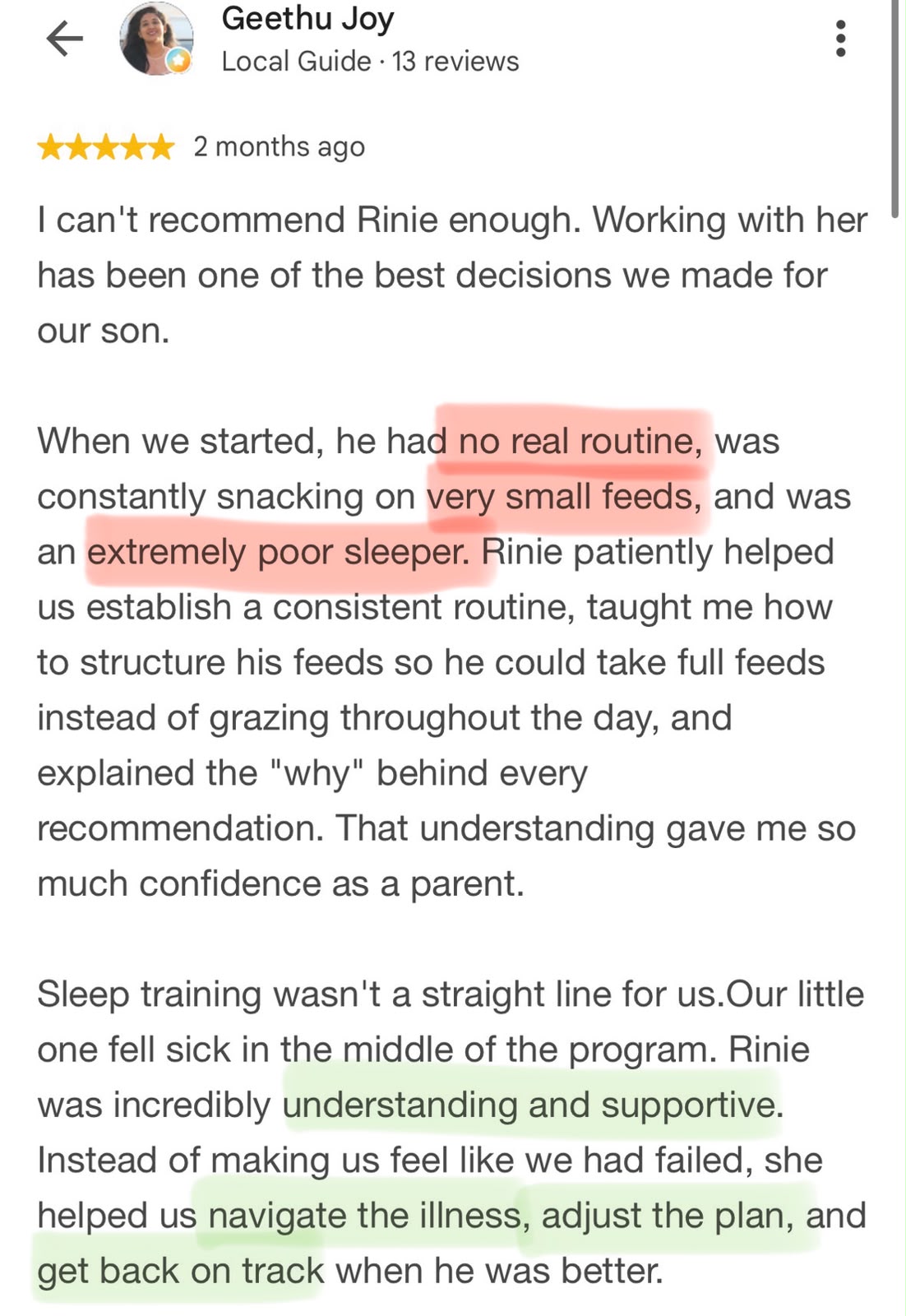
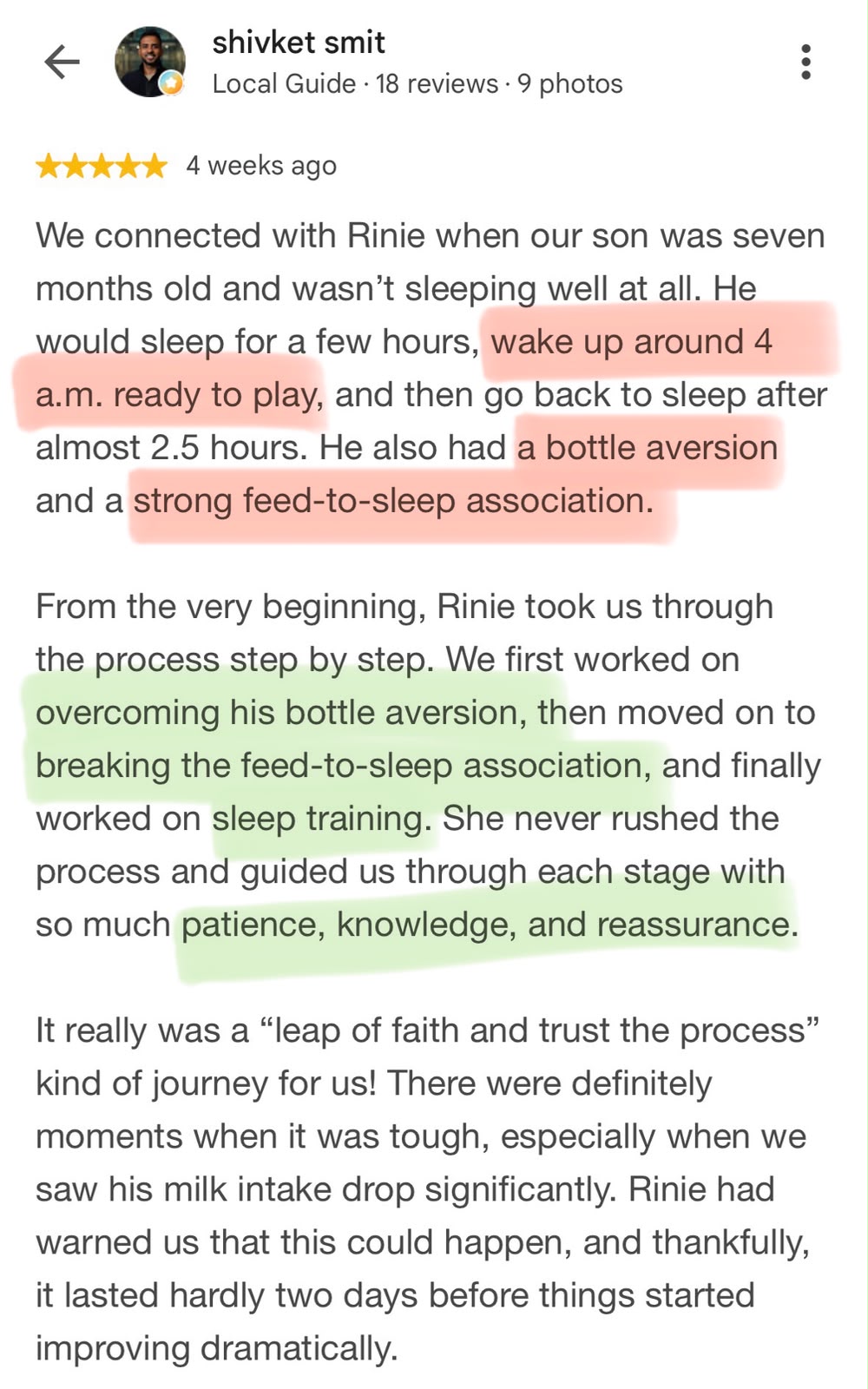
Look at our Reviews
Written By:


